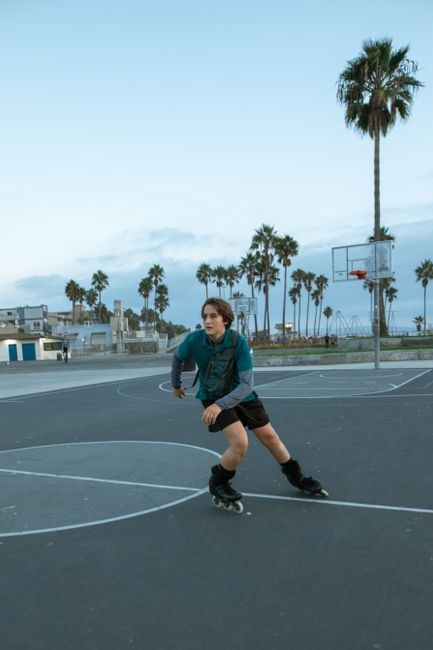
Choosing the right rollerblade size is essential for safety, comfort, and performance. This guide explains why accurate sizing matters, outlines key measurements, and offers quick tips to help you find the perfect fit before hitting the pavement Use this guide to match foot size with the right model!!.
1.1 Purpose of the Rollerblade Size Guide
The Rollerblade Size Guide serves as a comprehensive roadmap for skaters of all levels, ensuring that each rider finds a pair that feels natural, secure, and responsive. By aligning the correct shoe size with the specific design of a skate, skaters avoid common pitfalls such as blisters, instability, and reduced control. The guide’s purpose is multifold: it clarifies the relationship between foot dimensions and skate fit, it explains how proper sizing enhances performance across different riding styles, and it offers a clear, step‑by‑step method for selecting the right size before purchase. A well‑fitted skate not only protects the foot but also maximizes power transfer, allowing skaters to glide, turn, and accelerate with confidence. In addition, the guide highlights the importance of considering future growth and usage scenarios, such as seasonal changes or evolving skill levels. By providing a structured approach to sizing, the Rollerblade Size Guide empowers skaters to make informed decisions, reduce the risk of injury, and fully enjoy the dynamic experience of inline skating; Ultimately, the guide encourages skaters to view sizing as a foundational element that supports skill development, injury prevention, and long‑term enjoyment. By investing time in accurate measurements and thoughtful selection, riders can experience smoother strides, better balance, and a stronger connection to the sport. Whether you’re cruiser or an athlete, the Rollerblade Size Guide is companion for fit that feels like natural extension of your feet.
Understanding Size Terminology
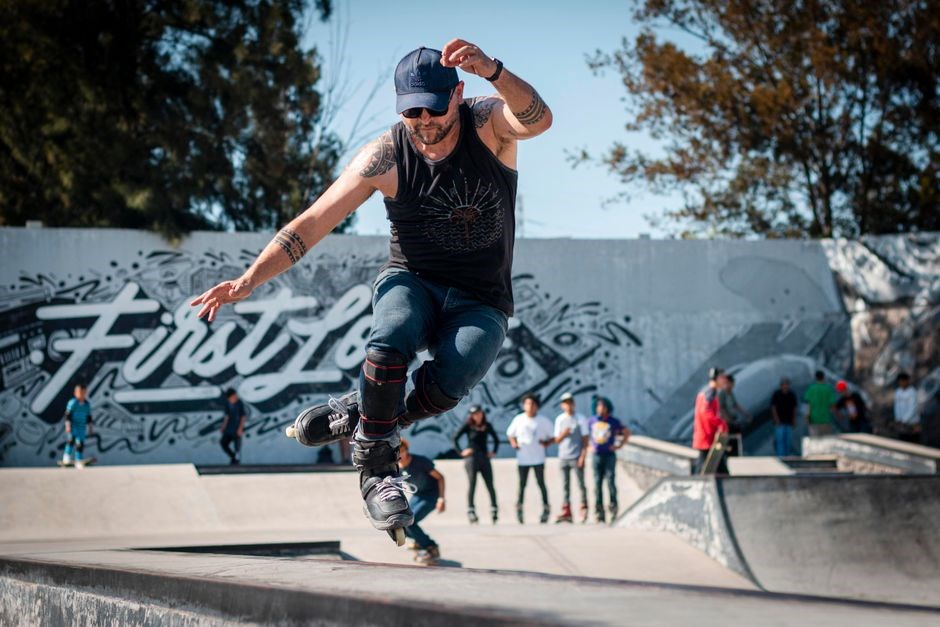
Size terminology clarifies how foot dimensions translate into skate fit. Key terms include length, width, and width‑specific sizing charts. Understanding these concepts ensures a snug, safe, and performance‑optimized skate for every rider. and fit. for balance. now
2.1 Waist, Length, and Width Measurements
When selecting a rollerblade, the three core measurements—waist, length, and width—determine how the skate fits and performs. The waist refers to the narrowest part of the foot, typically the area around the metatarsal heads. Accurate waist measurement ensures the skate’s inner channel can accommodate the foot’s natural arch without excessive pressure or slack.
Length measurement is taken from the heel to the longest toe, usually the big toe. This dimension aligns the skate’s overall length with the foot’s span, preventing toe slippage during push‑off and reducing the risk of blisters; A length that is too short can cause the foot to slide forward, while an overly long size may result in a loose fit that hampers balance.
Width measurement captures the foot’s breadth at its widest point, often near the ball of the foot. Width is critical for stability; a too‑narrow skate can feel tight and restrict circulation, whereas a too‑wide skate may feel loose, compromising control. Many manufacturers provide width charts that map foot width to specific skate models, allowing riders to choose a pair that matches both length and width for optimal comfort and performance.
In practice, many skaters find that a slight width adjustment—such as opting for a narrow or wide model—can influence balance. By comparing your foot’s width to the manufacturer’s chart and testing prototypes, you’ll discover the optimal fit that keeps joints protected, maximizing speed
2.2 Men’s, Women’s, and Youth Size Variations
Men’s rollerblades typically follow a standard sizing system that aligns closely with US shoe sizes, often ranging from 6 to 12. Women’s models, however, incorporate a slightly narrower waist and a more tapered toe box to accommodate differences in foot shape, with sizes commonly spanning 5 to 10. Youth options bridge the gap, offering a compact fit for growing feet while maintaining the same length and width ratios as adult models.
Men’s skates often feature a slightly larger toe box and a more generous ankle cuff to support a broader foot base, while women’s designs emphasize a slimmer profile for a tighter fit. Youth models are engineered to accommodate a growing foot, with adjustable straps and a flexible frame that can be tightened as the child’s foot expands.
Because foot shape varies widely, a one‑size‑fits‑all approach can lead to blisters, instability, and reduced speed. Men’s sizes tend to be broader, women’s leaner, and youth models more forgiving. Selecting the correct variation ensures that the skate’s frame, wheel alignment, and boot stiffness work in harmony with the rider’s natural gait.
When shopping, try each size on with the same socks you plan to wear. Walk, jog, and perform a few turns to gauge fit. If the skate feels snug at the heel but loose around the ball, consider a slightly smaller size. Conversely, if the toe box feels tight, a half‑size larger may be necessary.
Proper fit boosts comfort, speed, and safety on every ride.!!
!
Measuring Your Foot for Accurate Sizing
Stand on a white sheet, trace foot, measure length from heel to longest toe, width at widest point. Use a ruler for precision. Record both measurements; compare to brand chart. Adjust for shoe size, sock thickness, and personal comfort before purchasing. Remember to test the fit with your usual socks. Now
3.1 Step-by-Step Measurement Process
Step 1: Prepare a flat surface and a piece of paper or a white sheet. Place a ruler or measuring tape next to the paper for reference. Step 2: Put on the socks you intend to wear with the rollerblades. Step 3: Stand upright, ensuring your weight is evenly distributed on both feet. Step 4: Trace the outline of each foot with a pen or pencil, keeping the pen perpendicular to the paper. Step 5: Measure the longest distance from the heel to the tip of the longest toe using the ruler. Record this length. Step 6: Measure the widest part of the foot, usually between the second and third toes, to capture the foot width. Step 7: Repeat the process for the other foot, as feet can differ slightly in size. Step 8: Compare both measurements to the rollerblade size chart provided by the manufacturer. If the larger measurements dictate the size, use that size to ensure a comfortable fit. Step 9: Try on the rollerblades with the same socks, adjusting the laces or straps to achieve a snug but not restrictive fit. Step 10: Walk a few steps to test comfort; adjust as needed. This systematic approach guarantees accurate sizing and enhances your skating experience. Finally, remember that shoe size can vary by brand, so always try on the rollerblades before purchase. If you have any doubts, consult the retailer’s fitting guide or customer support. A well-fitted pair will reduce blisters, improve balance, and elevate your overall skating performance. Adjust straps until boots feel firm yet flexible, check pressure.
Choosing the Right Size for Your Riding Style
For casual skating, pick a snug fit that allows easy maneuvering. Competitive riders often opt for a slightly tighter size to reduce foot movement and improve power transfer. Always test both sizes in motion to confirm comfort and responsiveness. Remember, the right size boosts stability and cuts fatigue rides
4.1 Recreational Riding Needs
When selecting a size for casual skating, comfort and versatility are paramount. A slightly looser fit allows room for foot swelling during longer sessions, while still maintaining enough support to prevent blisters. Opt for a size that sits just below the toes, ensuring the heel remains snug without pinching the arch. Test the board on a flat surface, rolling gently to gauge stability. If you frequently ride on uneven terrain, consider a slightly larger size for added cushion. Additionally, pay attention to the width: a narrow foot may benefit from a narrower blade, whereas a wider foot may need a wider stance for balance. Always try on the shoes with the same socks you plan to wear, as sock thickness can affect fit. Finally, remember that a well‑chosen size reduces fatigue, allowing you to enjoy longer rides with less strain on joints and muscles.
Recreational skaters often prioritize comfort over speed, so a slightly oversized fit can cushion the foot during long rides. However, too large a size may cause instability on uneven surfaces. Consider the width of the blade: a narrower blade offers better maneuverability for tight turns, while a wider blade provides a broader base for stability on flat paths. Also, evaluate the boot’s cuff height; a higher cuff supports the ankle during sudden stops, reducing the risk of sprains. Finally, remember that proper sizing can prevent common foot issues such as blisters, calluses, and plantar fasciitis, ensuring a healthier, more enjoyable skating experience.
Enjoy skating!::
4.2 Competitive Racing Requirements
In competitive skating, precision sizing directly influences speed, power transfer, and injury prevention. Racers demand a snug fit that eliminates excess motion while allowing the foot to flex naturally during push‑off. The ideal size sits at the foot’s longest point, with the heel firmly in place yet not compressed. A tighter cuff offers ankle support, reducing the risk of hyperextension during aggressive turns. Width selection is critical: a narrow blade provides a smaller turning radius, advantageous on tight circuits, but may compromise stability on straightaways. Conversely, a slightly wider blade can enhance straight‑line speed by increasing surface area, but may hinder rapid directional changes. Material choice also matters; lighter composites reduce rotational inertia, allowing quicker acceleration. Racers often adjust the toe‑box depth to accommodate custom orthotics or fine‑tune stride length. Proper sizing ensures optimal torque application, enabling athletes to maintain maximum power output over the entire race distance. Consistent sizing across all equipment—skates, wheels, bearings—creates a unified performance profile, essential for elite competition. Racers also consider the heel‑to‑toe angle; a slight forward tilt can improve stride efficiency but must be balanced against comfort. The boot’s internal lining should be breathable to mitigate heat buildup during high‑intensity sessions. Consistent sizing facilitates quicker warm‑up times, as the skater can transition between training and competition gear without readjustment. Precise fit reduces callus formation, allowing focus on technique rather than discomfort. Coaches recommend a trial run with the chosen size to verify consistent stride cadence and that the boot’s fit does not impede breathing or circulation. By investing time in selecting the correct size, racers can achieve smoother glides, sharper cornering, and ultimately faster times. The interplay between wheel size and boot size cannot be overlooked: larger wheels demand a slightly looser fit to accommodate increased rotational inertia, whereas smaller wheels allow for a tighter fit that maximizes power transfer. Track surface also matters; slick indoor arenas favor a snug fit to reduce sliding, while outdoor courses with variable terrain may benefit from a marginally looser fit for shock absorption. Finally, the psychological comfort of a well‑fitted boot can boost confidence, enabling skaters to push their limits during critical race moments.
Adjusting for Comfort and Performance
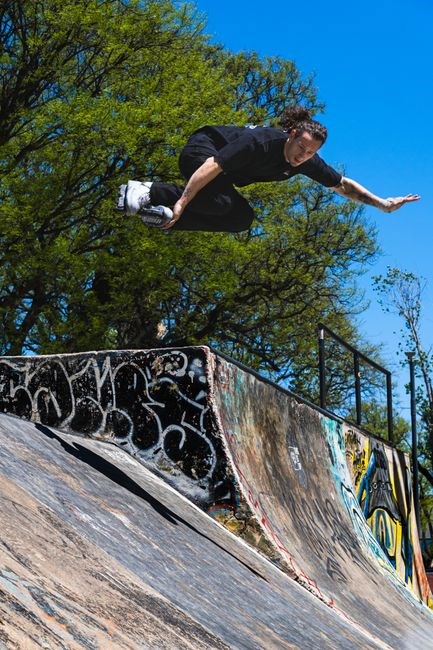
Fine‑tuning your skates boosts both comfort and speed. Adjust the cuff tension, wheel alignment, and tread depth to match your stride. Add custom orthotics or gel inserts for arch support, and keep bearings lubricated for smooth rotation. Small tweaks lead to big performance gains Enjoy a smoother glide
5.1 Wheel Alignment, Tread Depth, and Custom Orthotics
Proper wheel alignment ensures that each skate rolls in a straight line, reducing wobble and improving stability. Begin by tightening the axle screws evenly, then use a dial indicator or a simple ruler to check that the wheel axis is level relative to the skate frame. If the wheels tilt, adjust the axle bolts until the axis is perfectly horizontal. Next, assess tread depth. A worn tread can lead to decreased traction and slower acceleration. Use a depth gauge or a ruler to measure the distance from the wheel rim to the tread surface; a depth of 1.5–2 mm is ideal for most recreational skaters, while competitive riders may prefer 2–3 mm for maximum grip. Replace wheels that fall below the recommended depth to maintain performance and safety. Finally, custom orthotics can dramatically improve comfort and foot alignment. Measure arch height and pressure points, then select or fabricate orthotic inserts that match your foot’s biomechanics. Gel‑filled or carbon‑fiber options provide cushioning and support, reducing fatigue during long sessions. When installing orthotics, ensure they fit snugly within the skate boot, and adjust the cuff pressure so the foot stays secure without excessive compression. Regularly inspect and replace orthotics as they wear out, and re‑align wheels after any part replacement to keep the system balanced and responsive. Additionally, consider wheel hardness; softer wheels (68–72A) offer better grip on rough surfaces, while harder wheels (80–85A) provide smoother rides on polished decks. Adjusting the wheel hardness in conjunction with tread depth allows skaters to fine‑tune traction for specific terrains. For those who skate on varied surfaces, a hybrid wheel set—combining medium‑hardness wheels with moderate tread—can deliver versatility without compromising speed. Remember to recalibrate alignment after swapping wheel sets, as different wheel diameters can shift the center of gravity. Consistent maintenance of bearings, lubrication, and periodic cleaning of the wheel hub will also extend wheel life and preserve the integrity of the alignment. By combining precise wheel alignment, optimal tread depth, and personalized orthotics, skaters can achieve a harmonious blend of safety, performance, and comfort that keeps them gliding effortlessly across any surface. Practice these adjustments regularly, and you’ll notice a marked improvement in both stability and speed. If you’re unsure about any step, consult a professional or visit a local skate shop for expert guidance.
Maintenance, Care, and Common Questions
Keep blades clean, oil bearings, replace worn wheels, and check bolts regularly. Store in a dry place, avoid extreme heat. Common queries: How often to oil? Every 50–100 miles. When to replace wheels? When tread <1.5 mm. Regular maintenance extends lifespan safety !
6.1 Cleaning, Lubricating, and Replacing Parts
Proper maintenance keeps your rollerblades responsive and safe. Begin by removing the wheels and bearings. Use a soft cloth to wipe down the outer shell, removing grit that can damage bearings. For bearings, disassemble them, clean with isopropyl alcohol, and dry thoroughly before re‑lubricating with a light synthetic grease. Apply a thin coat, spin the wheel to distribute evenly, and wipe excess. When bearings feel gritty or spin sluggishly, replace them with OEM or high‑quality aftermarket options. Wheel replacement is straightforward: unscrew the axle, slide the new wheel onto the hub, and tighten the axle bolt. Check tread depth; if it’s below 1.5 mm, swap for a fresh set. For the blade frame, inspect for cracks or dents; minor dents can be repaired with a heat gun, but severe damage warrants a new frame. Replace worn brake pads by sliding them onto the brake arm and securing with the provided clip. Finally, reassemble, test spin, and adjust the foot straps for optimal fit. Regular cleaning every 50–100 miles and timely part replacement will extend the life of your equipment and enhance performance.
Remember, consistency is key: schedule maintenance checks at least once a month. Keep a small toolkit—tape, spare bearing, quick‑release lever, cleaning rag—within easy reach. Document each session in a log: note mileage, squeaks, and parts replaced. Over time, this habit helps spot wear before it becomes a safety hazard, ensuring your rollerblades stay reliable and ready for every ride. daily.!!.